

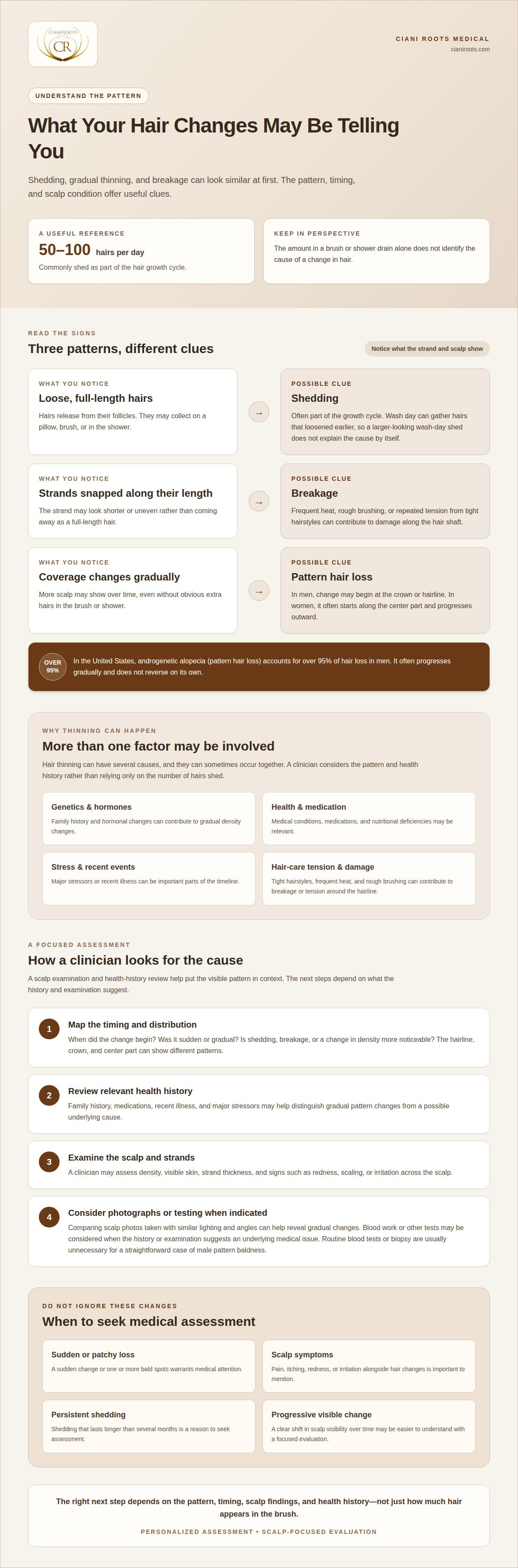
Hair thinning can have several causes, including genetics, hormonal changes, medical conditions, medications, nutritional deficiencies, stress, or repeated tension on the hair. Not every change is the same: shedding means hairs fall from the scalp, while breakage happens when strands snap along their length. Pattern hair loss can also progress gradually without obvious shedding.
Seeing more scalp or hair in your brush can be unsettling, especially when the cause isn’t clear. Knowing the difference between shedding, breakage, and progressive loss can help you understand what you’re noticing and decide when to seek an assessment.
This article covers common causes of thinning, how a clinician may assess your scalp and health history, and what minoxidil can do for certain types of hair loss. The right approach depends on the pattern, timing, and possible triggers, not just how much hair you see in your brush.
Key Takeaways
- Shedding, gradual loss of density, and hair breakage have different patterns that can help clarify what may be happening.
- Sudden or patchy loss, scalp discomfort, or persistent shedding can signal a need for clinical assessment.
- A scalp examination and review of your health history help clinicians look for likely causes and decide whether further evaluation is needed.
- Genetics, hormonal changes, health conditions, medications, stress, and hair-care practices can all contribute, sometimes in combination.
- Minoxidil may help with certain patterns of hair loss, but consistent use and an understanding of its limits are important.
1. Is hair shedding the same as hair loss?
Not exactly. Shedding describes hairs releasing from their follicles, often as part of the growth cycle. People commonly lose 50 to 100 hairs per day. Hair loss can also mean a gradual reduction in density, even when you don’t notice extra strands in the shower or brush.
Androgenetic alopecia, also called pattern hair loss, is a common form linked to genetics. In the United States, it accounts for over 95% of hair loss in men. Genetic loss often progresses over time and doesn’t reverse on its own. Its pattern can help distinguish it from temporary shedding.
In men, pattern loss may start at the crown and spread outward, or begin at the hairline and move back. In women, it often begins along the center part and progresses outward. These patterns don’t explain every case, but changes in their shape or pace can offer useful clues.
Some signs may point to a condition other than typical pattern loss. Sudden hair loss, patchy bald spots, persistent shedding, or scalp pain, itching, or redness warrant medical attention. Alopecia areata, for example, can cause one or more patches anywhere on the scalp. Sudden loss may also signal an underlying condition that needs treatment.
In the United States, oral finasteride and topical minoxidil are FDA-approved drug treatments for male pattern hair loss. Finasteride requires a prescription, while topical minoxidil is available over the counter. The appropriate option depends on the diagnosis, health history, and treatment considerations, not the shedding count alone.
How much do hair thinning treatments cost in the United States? Costs depend on the type of treatment, the person’s needs, and the plan involved; a case-specific price is given after a quote request. Treatment choice and the number of sessions or ongoing care needed can affect the total.
How effective are hair transplants, PRP, and laser treatments? A transplant redistributes existing donor hair, but it doesn’t stop pattern loss or create new follicles. PRP uses platelets from a person’s blood and may support hair growth for some people, but evidence is still developing and results vary. Some low-level light therapy devices have FDA clearance for hair loss. Studies suggest they may help with regrowth, but evidence is limited and outcomes are not assured; the mechanism isn’t fully understood.
Notice the timing and distribution of changes. Shedding that lasts longer than several months, a sudden patch, or scalp symptoms are reasons to seek assessment. Gradual changes at the crown or center part may fit a pattern, while broken strands can point to damage along the hair shaft. Identifying the pattern helps guide the next step.
2. Diagnosis and scalp examination
A useful assessment starts with the pattern, timing, and condition of your scalp. A clinician may ask when changes began, whether they appeared suddenly, and whether shedding or breakage is more noticeable. They may also consider family history, medications, recent illness, and major stressors. These details help distinguish gradual pattern changes from a possible underlying cause.
During an examination, a clinician looks across the scalp, including the hairline, crown, and center part. They assess density, visible skin, strand thickness, and signs such as redness, scaling, or irritation. The location and shape of the changes matter. For example, a widening center part differs from a sudden, smooth patch of missing hair.
Photographs can help reveal gradual changes. Comparing current scalp photos with older images may show whether more skin is visible through the hair. Similar lighting and angles make the comparison more useful. A clinician can consider the progression alongside symptoms and family history, rather than relying on one photograph.
Testing depends on the pattern and other health clues. Routine blood tests or a scalp biopsy are usually unnecessary for a straightforward case of male pattern baldness. If shedding or examination findings suggest an underlying medical issue, a healthcare professional may use blood work or other tests to investigate. A biopsy can help assess certain scalp conditions when the examination indicates it.
Hair and scalp care are also relevant to an assessment. Tight ponytails, frequent heat, or rough brushing can contribute to breakage or tension around the hairline. Gentle care may reduce avoidable damage, but it won’t address thinning caused by genetics, hormones, or a medical condition. Supplements are most relevant when a deficiency contributes; extra vitamins don’t improve growth when levels are already adequate. Biotin can also interfere with some laboratory tests.
Thinner coverage may leave the scalp more sensitive to sunlight. New sensitivity can also relate to allergies or medications, so mention when it began and whether it comes with redness or itching. Scalp massage may feel soothing, but it can’t explain why density has changed. During an examination, describe any soreness and avoid forceful rubbing over irritated areas.
Early assessment can help identify the cause while follicles remain less affected. A focused scalp analysis considers density, hairline changes, scalp condition, and relevant health history. Seek prompt medical attention for sudden loss, patchy spots, or pain and redness. Persistent shedding or progressive changes also warrant an evaluation, especially when home photographs show a clear shift.
3. Differences between hair shedding, thinning, and breakage
Shedding releases a complete hair strand from its follicle. It’s part of the normal growth cycle, so loose hairs may appear on a pillow, brush, or shower drain. Wash day can make shedding look heavier because hairs that loosened earlier come away together. The amount in the drain alone doesn’t reveal the cause of hair changes.
Look at the strands, not just the number. A shed hair is usually close to its full length and may have a small, club-shaped end. A broken hair is shorter, often uneven or frayed, and lacks that end. For example, long strands in the brush suggest shedding, while short, snapped pieces may point to breakage.
Thinning means reduced density across an area, rather than the release of individual hairs. A widening part, more visible scalp at the crown, or a changing hairline can make this pattern easier to notice. Some people experience gradual density changes without seeing more loose hairs during bathing or styling. Shedding and thinning can also happen together.
Bathing can collect hairs that were already ready to shed. The amount may seem greater after several days without washing, as loose strands remain caught among other hairs. Conditioner and water can help them slide free. A handful in the drain isn’t a diagnosis by itself; note whether the change persists or comes with visible gaps.
Styling can reveal shedding, but it can also cause breakage. A wide-tooth comb may release full-length loose hairs, while forceful detangling can snap fragile strands. Repeated tight ponytails or braids put tension near the hairline. Short pieces around the temples, especially with soreness, can signal damage from pulling rather than ordinary daily shedding.
Normal daily shedding varies, and loose hairs often become more visible during washing, brushing, or styling. Hair grows in cycles, so not every strand is in the same phase at once. Compare changes over time instead of judging one shower. For example, a consistent increase in loose strands along with a widening part deserves more attention than one unusually busy wash day.
Track specific changes: whether strands are full-length or snapped, where density looks reduced, and when the change began. Sudden patches, scalp discomfort, or ongoing heavy shedding call for clinical assessment. A clinician can consider your scalp, strand condition, pattern, and health history together. This broader view helps distinguish ordinary shedding from breakage or progressive baldness.
4. What causes thinning hair?
Hair changes can have several causes, and more than one may affect a person at once. Genetics can contribute to gradual pattern hair loss, while hormonal changes, medical conditions, medicines, nutritional deficiencies, and physical or emotional stress can also alter hair growth. For example, inherited pattern loss may occur alongside temporary shedding after an illness or stressful event.
Hormonal shifts can influence the hair cycle during periods such as pregnancy and menopause. After physical or emotional stress, telogen effluvium may begin several months later. Shedding often becomes noticeable two to three months after its trigger and may affect the whole scalp. Once the cause resolves or is treated, telogen effluvium usually improves within three to six months.
Medicines and medical treatments can also contribute. A clinician can consider medication timing alongside when and where shedding began, rather than assuming a prescription is the cause. Hair lost across the body during some conditions or treatments, including chemotherapy, usually grows back. Hair may not return in the same way after radiation therapy to the head.
Other patterns need closer attention. Alopecia areata often causes patches in one or more areas of the scalp. Scarring alopecia can destroy follicles, so hair may not grow back in affected areas. Tight hairstyles can cause traction alopecia along the hairline; continued pulling can make the loss permanent. Pain, itching, redness, or scaling adds useful information during an assessment.
Seek medical evaluation for sudden or patchy loss, scalp symptoms, or persistent shedding. Progressive changes also merit assessment, especially if the part widens or density continues to decline. A healthcare professional can review the timeline, family history, health changes, and medicines, then examine your scalp. Blood work or other tests may help identify an underlying cause when your history or examination points to one.
Bring a clear timeline to an appointment: when shedding began, whether it followed illness or emotional stress, and any recent medication changes. Mention pregnancy, menopause, dietary changes, or treatment for a medical condition. These details help distinguish telogen effluvium from pattern hair loss, breakage, or a scalp disorder. A clinician may also ask whether symptoms affect the whole scalp or appear in defined patches.
Medical hair-loss management can address suspected underlying contributors and medication questions as part of an individualized assessment. Don’t stop a prescribed medicine on your own; discuss possible effects and alternatives with the prescribing clinician. The next step depends on the cause, scalp findings, and pattern of change, since one approach won’t address every condition.
5. Minoxidil
Minoxidil is used to stimulate hair growth and slow certain types of balding. Topical minoxidil is available over the counter and is FDA-approved for men and women. It’s most often used for pattern hair loss, where follicles gradually produce thinner strands. It doesn’t treat every cause, so identifying the pattern matters before choosing treatment.
Consistency is central to topical use. It must be applied daily, and improvement may take six to nine months. Hair grows slowly, so changes usually take months rather than days. Some people notice increased shedding during the first 2-6 weeks of use. That early change can be unsettling; it’s useful to discuss it with a clinician, especially if shedding continues or other symptoms appear.
Topical products come in different forms, and directions depend on the product. Follow its instructions for application and frequency rather than increasing the amount. Regular use matters: stopping treatment can mean losing its benefits over time. Pattern hair loss often needs ongoing treatment to maintain improvement, so expectations should include continued use.
Oral minoxidil is a prescription pill. Minoxidil tablets have been used for decades to treat high blood pressure; low-dose oral use for hair growth is off-label. Clinicians may consider it for selected patients who don’t tolerate topical treatment well or have difficulty using it consistently. The decision depends on health history, current medicines, and the pattern of loss.
What are the side effects and risks of hair loss medications? With topical minoxidil, some people experience shedding during the first 2-6 weeks. Oral minoxidil is a prescription medication, so its suitability and risks need review against a person’s health history and other medicines. Don’t change or stop prescribed medication without discussing it with the prescribing clinician.
Minoxidil isn’t a universal answer for alopecia. For example, alopecia areata can cause patchy loss, unlike the gradual distribution of pattern hair loss. A treatment plan should account for the cause, scalp findings, and whether follicles remain active. Medication management can help review topical or oral options and fit them into an individualized approach.
Before starting, note where loss appears, how long it has progressed, and whether you can follow daily topical use. Share relevant health conditions and medicines during a clinical review. For personalized guidance on medication options and hair restoration approaches, EXPLORE YOUR OPTIONS.
Ciani Roots Medical
Ciani Roots Medical helps people understand changes in hair density through personalized consultations and scalp analysis. At its clinics in Vacaville and Alamo, the assessment considers your concerns and individual needs before shaping a care plan. Virtual consultations are also available.
For hair concerns, options may include regenerative hair loss treatments or KeraLase Hair Therapy. If you also have skin concerns, the AURA 3D Skin Analyzer supports skin analysis as part of that separate assessment. Not every patient needs or receives every treatment.
Choose a thoughtful next step
Before deciding what to do, consider which change concerns you most: a widening part, increased shedding, or shorter broken strands. Noting your main concern and questions can make a conversation more focused. You don’t need to settle on a treatment before understanding your priorities.
Addressing hair thinning can start with a clear discussion of your goals and concerns. A measured next step helps keep decisions personal, grounded, and manageable.
If you’re ready to talk, EXPLORE YOUR OPTIONS. A thoughtful conversation can help you move forward with greater clarity.
Frequently Asked Questions
What causes thinning hair?
Hair thinning can stem from genetics, hormonal changes, medical conditions, medicines, nutritional deficiencies, physical stress, or emotional stress. Often, more than one factor contributes. For example, inherited pattern changes may coincide with temporary shedding after illness or a major life event. Timing, distribution, scalp condition, and health history help narrow the possibilities. Sudden patches or scalp symptoms call for medical evaluation rather than relying on hair products alone.
Is hair shedding the same as hair loss?
No. Shedding is the release of hairs from their follicles, while hair loss can also mean a gradual reduction in density. Breakage is different: strands snap along their lengths. For instance, full-length hairs on a pillow may be shed hairs, while short, uneven pieces can suggest breakage. These processes can overlap, so noting where density changes and what the strands look like can help clarify what’s happening.
Can a hair serum regrow hair?
Some serums can condition strands or make hair look fuller, but that doesn’t mean they address the cause of loss or regrow hair. Topical minoxidil is an over-the-counter medication used for certain patterns of hair loss, unlike ordinary cosmetic serums. Check the product’s active ingredients and intended use, and discuss persistent or sudden changes with a clinician. A serum also won’t correct breakage caused by repeated tension or rough handling.
Do hair vitamins work?
Hair vitamins may help when a true deficiency contributes to shedding or reduced growth. Extra vitamins don’t improve hair growth when the body already has enough. Biotin deserves particular care because it can interfere with certain laboratory tests, including some hormone and heart-related tests. Before starting supplements, discuss pregnancy, breastfeeding, medical conditions, medicines, and planned blood tests with a healthcare professional.
How long does it take to see improvement?
The timeline depends on the cause and treatment. With topical minoxidil, daily use for six to nine months may be needed before improvement is seen. Hair growth is gradual, so short-term changes can be difficult to judge. If shedding followed a temporary trigger, recovery follows a different course. Track changes consistently and discuss them during follow-up rather than switching products after a brief trial.
What can you do to preserve your hair?
Reduce avoidable damage with gentle detangling, less forceful brushing, and hairstyles that don’t repeatedly pull on the hairline. A wide-tooth comb can help release knots with less tugging. Don’t assume supplements or cosmetic products address every cause. If density is changing, document the pattern and discuss it with a clinician; early assessment can help identify a suitable approach before changes progress.
What is alopecia?
Alopecia is a general medical term for hair loss. It includes pattern hair loss, alopecia areata, and traction alopecia, among other conditions. They differ in how they affect the scalp: alopecia areata commonly causes patches, while repeated pulling can affect the hairline in traction alopecia. Some forms involve scarring that damages follicles. Identifying the type matters because the cause and appropriate care vary.
What are the common causes of hair thinning in women and men?
Genetic pattern hair loss is common in women and men, though its distribution often differs. Hormonal shifts, including menopause or changes after pregnancy, can also affect women’s hair. Men and women may experience shedding after illness, physical or emotional stress, nutritional deficiency, or certain medicines. Tight hairstyles can contribute to traction loss. The pattern, timing, and accompanying symptoms help distinguish these possibilities.
Article by
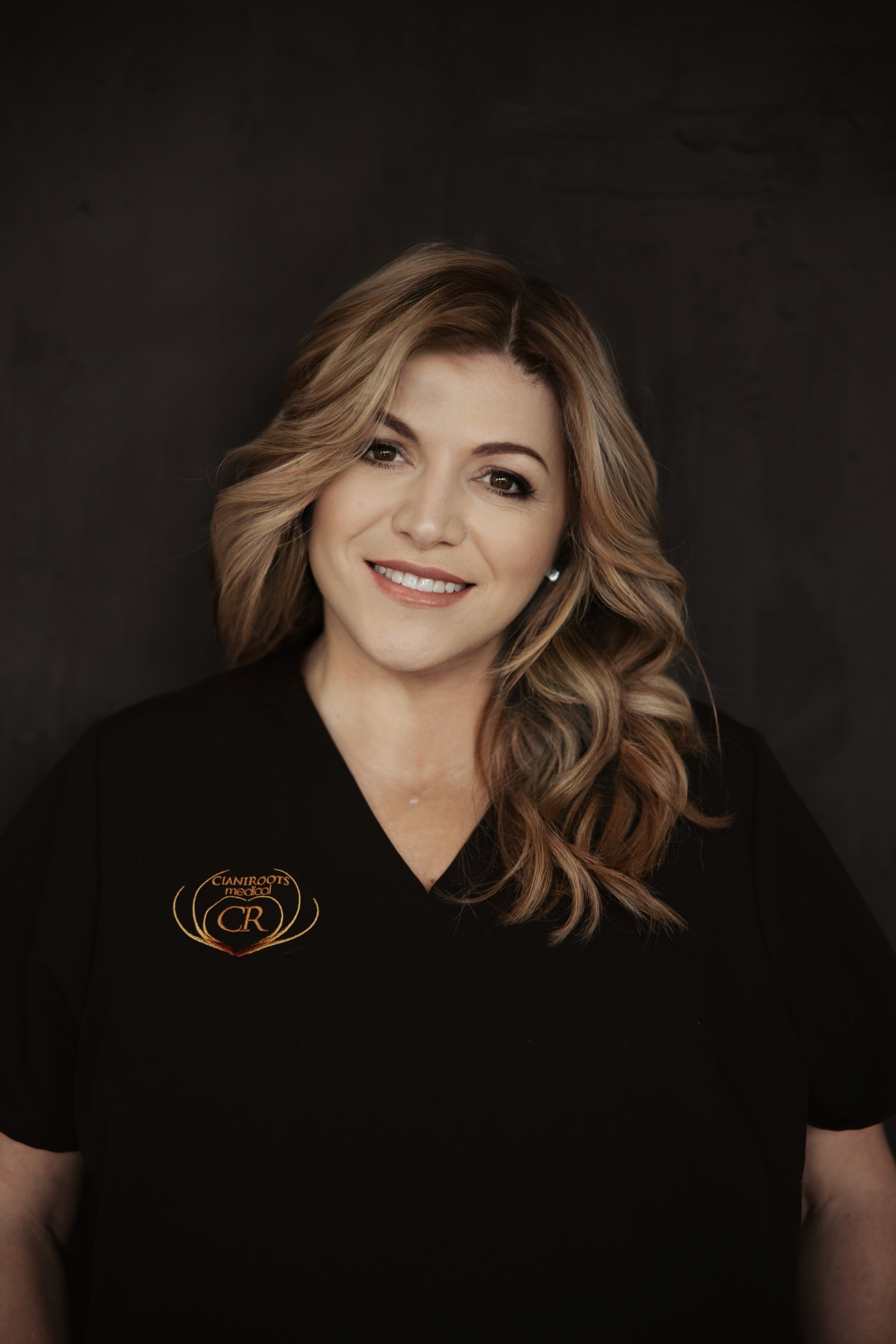
Adriane McDonald BSN,RN
Adriane McDonald, BSN, RN, is a hair restoration specialist with nearly 40 years of experience working with men and women experiencing hair loss and thinning. As the Founder and Practice Director of Ciani Roots Medical, she works alongside the practice’s Medical Director to provide personalized hair restoration, scalp health, regenerative therapies, and advanced skin rejuvenation.
Her approach combines extensive hands-on experience with detailed scalp analysis, medical collaboration, and individualized treatment planning. Adriane is currently completing advanced training toward certification in trichology, further expanding her expertise in hair and scalp health.
Disclaimer
This content is provided for general educational and informational purposes only and is not intended to serve as medical advice, diagnosis, or treatment. Individual needs, treatment recommendations, and results vary. A consultation and appropriate evaluation are necessary to determine which treatment options may be suitable for you. Viewing or interacting with this content does not establish a healthcare professional-patient relationship with Ciani Roots Medical.
Individual results may vary, and no specific outcome can be guaranteed. Before-and-after images, testimonials, or treatment experiences represent individual results and should not be considered a guarantee of similar results.


